Proper Methods for Disposing of and Returning Omamori

Updated: Oct 5
Proper Methods for Disposing of and Returning Omamori
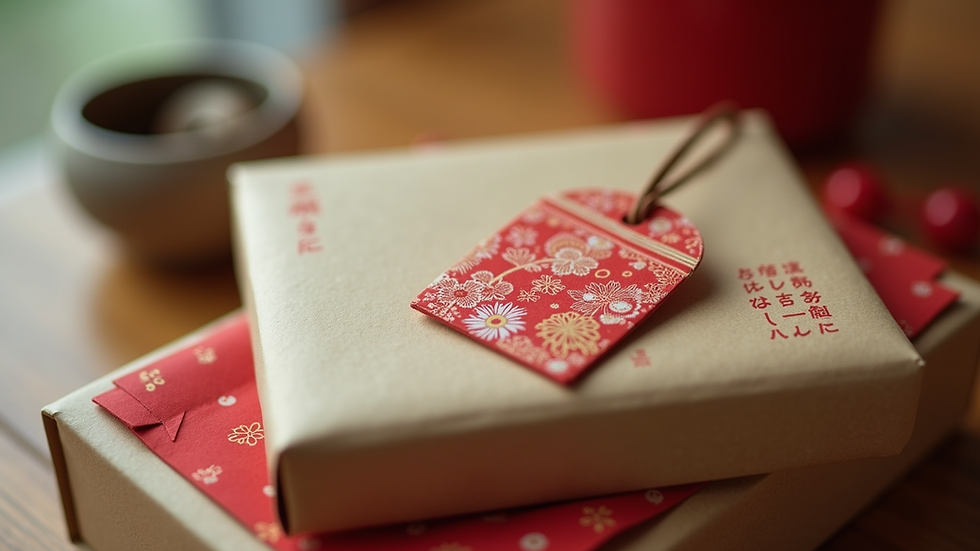
Omamori are sacred items blessed with divine protection. Even when they are expired or old, they must be disposed of with deep respect. Here is a guide to the essential rules and methods for disposing of them properly, especially if you live overseas or cannot easily visit a shrine or temple.
Key Rules for Handling Omamori
Never open the charm: The inner pouch holds the sacred blessing. Opening it is considered disrespectful.
Replace annually: It is customary to replace your omamori every year to renew its blessings.
Do not repurpose: Avoid keeping expired omamori as keychains, accessories, or decorations.
Primary Disposal & Return Methods
Return to a Shrine or Temple (Otakiage):
Returning the charm to the shrine or temple where you bought it (or a local one) for ceremonial burning is the traditional way.
Use Specialized Services:
If you are living abroad, local Japanese cultural centers, temples, or proxy return services (such as Omamori Bridge) can send your charms back to Japan for burning.
Perform a Simple Home Ritual:
If returning it is impossible, safely burn the charm outdoors in a fireproof container after wrapping it in clean paper with gratitude. Once cooled, respectfully bury the ashes in the earth.
The Importance of Gratitude
The most important aspect of disposing of an omamori is expressing sincere gratitude for the protection it provided. Choosing a respectful method allows you to honor this Japanese spiritual tradition from anywhere in the world.
Understanding Omamori
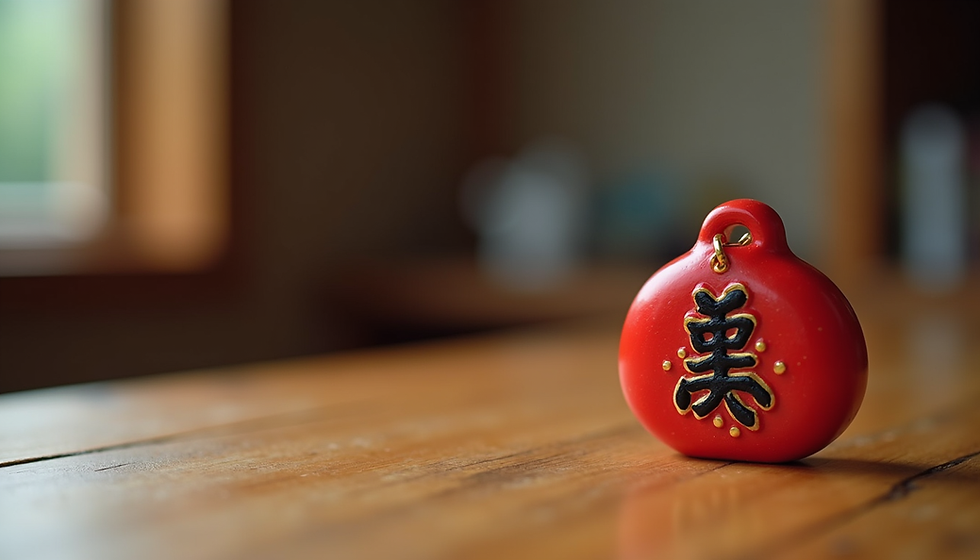
Omamori are more than just charms; they are symbols of faith and protection. Each omamori is dedicated to a specific purpose, such as health, success, or safe travels. They are often found in shrines and temples across Japan, where they are blessed by priests.
The Cultural Significance of Omamori
In Japanese culture, omamori are deeply rooted in spiritual beliefs. They serve as a reminder of the divine presence in our lives. By respecting and properly disposing of these items, we acknowledge their significance and the blessings they have brought us.
How to Choose the Right Omamori
When selecting an omamori, consider the specific blessings you seek. Here are some common types:
Health: For well-being and recovery.
Success: For academic or career achievements.
Travel: For safe journeys.
Each omamori has its unique design and purpose, making the selection process personal and meaningful.
Conclusion
In conclusion, disposing of and returning omamori is a practice that requires respect and gratitude. Whether you choose to return them to a shrine, use a specialized service, or perform a home ritual, the key is to honor the protection they provided. By following these guidelines, you can maintain a connection to this beautiful aspect of Japanese culture, no matter where you are in the world.


Comments