Guide to Disposing Large Amulets in Japan: Disposing Large Omamori Correctly

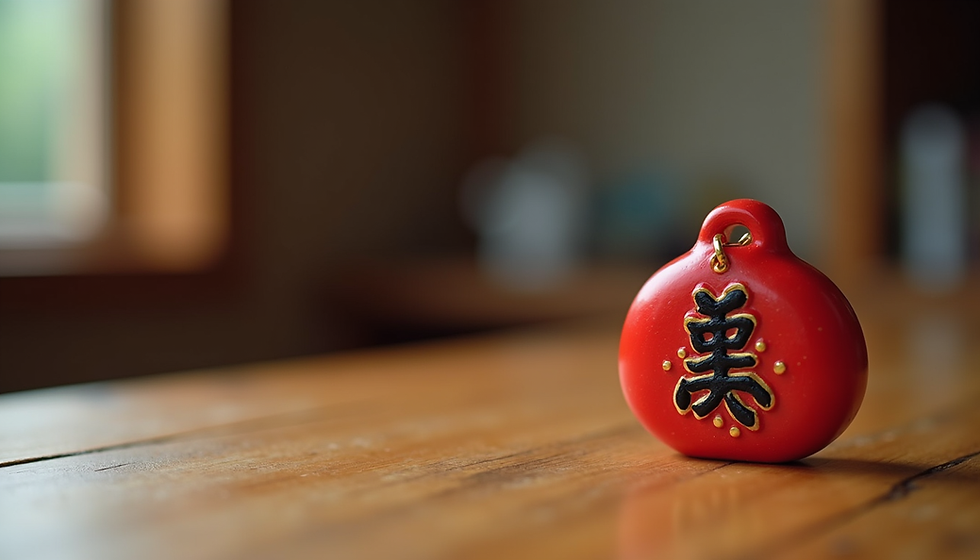
When living abroad or after returning from a trip to Japan, many people find themselves wondering how to properly dispose of large omamori (お守り), the traditional Japanese amulets. These amulets are believed to bring good luck, protection, or blessings, and they are often kept for a year or until the purpose is fulfilled. However, disposing of them respectfully is important to honor the cultural and spiritual significance they carry.
In this guide, I will share practical and respectful ways to dispose of large omamori correctly, especially for those who live overseas or cannot visit Japan frequently. This information is based on traditional customs and modern practices, aiming to help you maintain respect for this unique cultural tradition.
Understanding the Importance of Disposing Large Omamori Correctly
Large omamori are not just souvenirs; they are sacred objects blessed by Shinto priests or Buddhist monks. Because of their spiritual nature, simply throwing them away like regular trash is considered disrespectful. Proper disposal is a way to show gratitude for the protection and blessings received.
Here are some key points to understand:
Omamori are usually replaced annually. Many people visit shrines or temples at the start of the new year to exchange old amuori for new ones.
Disposal involves returning the amulets to a shrine or temple. This is called “返納” (hen'nou), meaning to return or offer back.
Burning is a traditional method. The amulets are ritually burned in a sacred fire at the shrine or temple, symbolizing purification and release of the spiritual energy.
For those living outside Japan, this process can be challenging. However, there are ways to respect the tradition even from afar.

Practical Steps for Disposing Large Omamori Correctly
If you have a large omamori that you wish to dispose of properly, here are some steps you can follow:
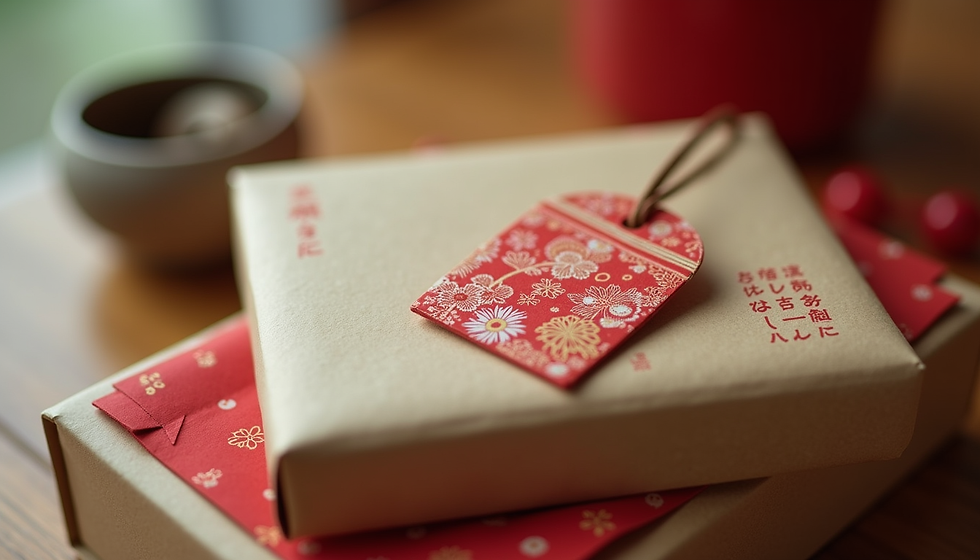
Check if the shrine or temple offers a mail-in service. Some shrines in Japan provide a service where you can send your old omamori by mail for proper disposal. This is especially helpful for overseas residents.
Visit a local Japanese cultural center or temple. In some countries, Japanese temples or cultural centers may accept omamori for disposal or guide you on how to proceed.
Contact Omamori Bridge. This service specializes in helping people overseas return their omamori respectfully to Japan. They handle the process with care and follow traditional customs.
If none of the above is possible, store the omamori respectfully. Keep it in a clean, safe place until you can return it properly. Avoid discarding it in regular trash.
Avoid burning omamori at home. Burning sacred objects without proper ritual can be disrespectful and unsafe.
By following these steps, you can ensure that your large omamori is treated with the respect it deserves.
How to Dispose of Japanese Omamori?
Disposing of Japanese omamori involves a few traditional and respectful methods. Here is a detailed explanation:
Return to the shrine or temple: The most common and recommended way is to bring the omamori back to the shrine or temple where it was purchased. They will perform a ritual burning called “お焚き上げ” (otakiage).
Participate in a purification ceremony: Some shrines hold special ceremonies where many old amulets are collected and purified by fire.
Mail-in services: As mentioned, some shrines accept omamori by mail for those who cannot visit in person.
Avoid throwing away casually: Omamori should never be thrown away in the trash or discarded casually, as this is considered disrespectful.
If you are overseas, contacting a shrine or service like Omamori Bridge can help you follow these customs properly.

Tips for Overseas Residents on Handling Large Amulets
For those living outside Japan, handling large omamori can be a bit complicated. Here are some practical tips:
Keep the omamori in a clean and respectful place. Avoid placing it on the floor or in dirty areas.
Do not open the omamori. The contents inside are sacred and should remain sealed.
Plan ahead for disposal. Research if there are local Japanese temples or cultural centers that can assist.
Use trusted services. Services like Omamori Bridge specialize in large amulet disposal Japan and can help you return your omamori respectfully.
Consider the timing. Many people dispose of omamori at the end of the year or after the purpose is fulfilled.
By following these tips, you can maintain respect for the tradition even when far from Japan.
Why Respectful Disposal Matters
Respectful disposal of large omamori is more than a ritual; it reflects appreciation for the spiritual protection received. It also helps preserve Japanese cultural heritage and shows mindfulness toward sacred objects.
Maintains spiritual balance: Proper disposal releases the spiritual energy in a purified way.
Honors tradition: Following customs connects you to the cultural roots of Japan.
Avoids disrespect: Improper disposal can be seen as neglect or disrespect to the shrine and the deity.
Supports cultural understanding: Sharing these practices helps others learn about Japanese culture.
By respecting these customs, you contribute to the preservation of a meaningful tradition.
Continuing the Tradition from Afar
Even if you live far from Japan, you can still honor the tradition of omamori disposal. Here are some ways to continue the practice:
Use international services: Services like Omamori Bridge provide a bridge between overseas residents and Japanese shrines.
Learn about the meaning: Understanding the significance of omamori deepens your appreciation.
Share the knowledge: Educate friends and family about the importance of respectful disposal.
Visit Japan when possible: If you can, visit shrines to exchange and dispose of omamori in person.
Respecting these customs helps keep the tradition alive and meaningful, no matter where you are.
I hope this guide helps you understand how to dispose of large omamori correctly and respectfully. If you want to learn more about large amulet disposal japan, please feel free to explore trusted services that support this unique cultural need.
Thank you for taking the time to honor this beautiful tradition.

Comments