Simplify Your Online Omamori Solutions: A Guide to Respectful Disposal

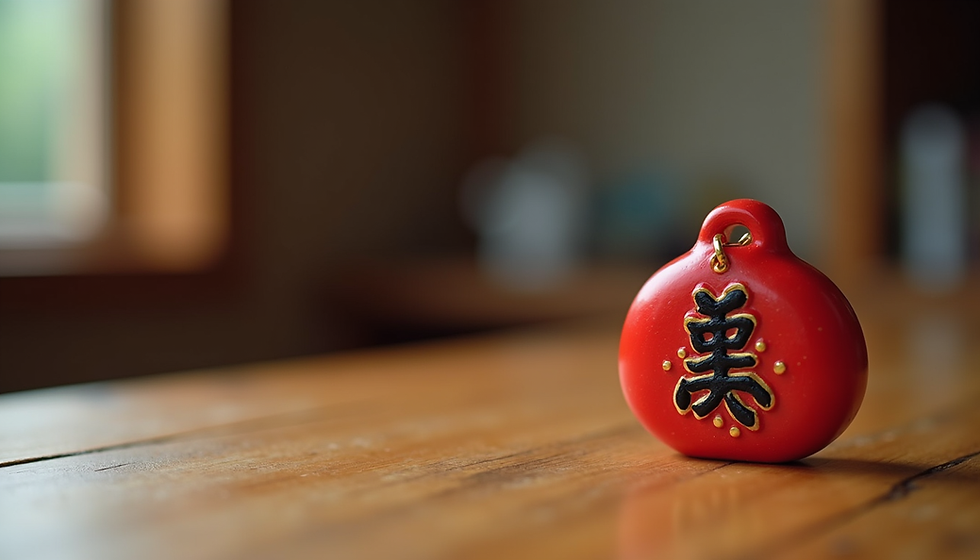
Omamori, the small Japanese amulets believed to bring good luck and protection, hold a special place in the hearts of many. For those living abroad or who have traveled to Japan, these charms often become cherished keepsakes. However, when the time comes to part with an omamori, proper disposal is important to honor its spiritual significance. This can be challenging when you are far from Japan. Fortunately, there are online omamori solutions that make this process respectful and convenient.
In this article, I will share practical advice on how to handle omamori disposal from overseas. I will explain the cultural background, answer common questions, and introduce you to a trustworthy service that offers easy online omamori disposal. Let’s explore how you can respectfully return your omamori without leaving your home.
Understanding Online Omamori Solutions
When living outside Japan, it is not always easy to visit a shrine to return or dispose of an omamori properly. Traditionally, omamori are returned to the shrine where they were purchased at the end of the year or when they become worn. The shrine then performs a ritual burning to release the spiritual energy respectfully.
Thanks to modern technology, online omamori solutions have emerged to bridge this gap. These services allow you to send your omamori by mail or arrange for a digital request, and the shrine or a trusted intermediary will handle the proper disposal on your behalf.
Benefits of Online Omamori Solutions
Convenience: No need to travel long distances or send your omamori back to Japan yourself.
Respect: Ensures the amulet is treated with the proper care and rituals.
Accessibility: Available worldwide, making it easy for overseas residents and travelers.
Peace of Mind: You can feel confident that your omamori is returned in a culturally appropriate way.

How to Use Online Omamori Disposal Services
Using an online service to dispose of your omamori is straightforward. Here is a step-by-step guide to help you through the process:
Choose a Trusted Service: Look for a reputable platform that specializes in omamori disposal and respects Japanese traditions.
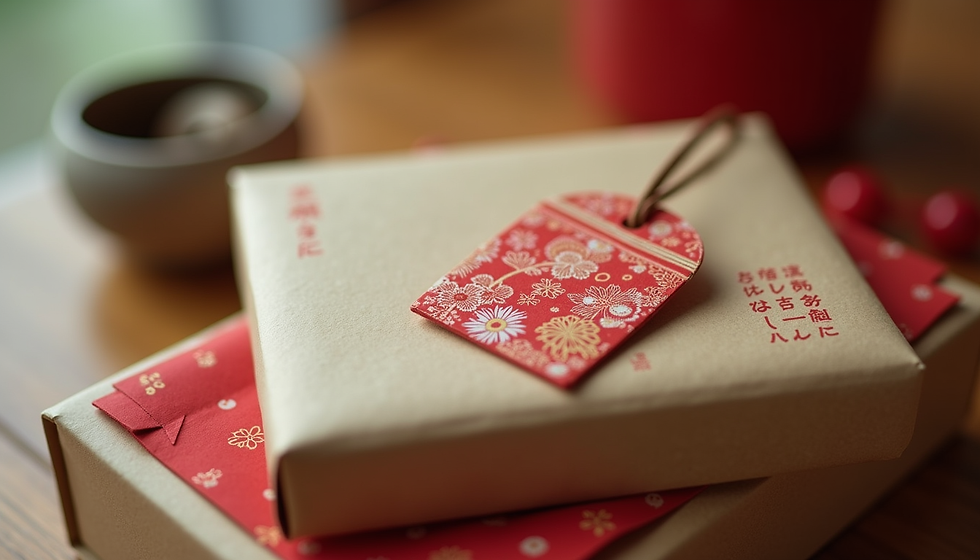
Prepare Your Omamori: Place the omamori in a small envelope or package. Some services provide specific instructions or packaging materials.
Send Your Omamori: Mail the package to the service address or follow their online submission process.
Confirmation and Ritual: The service will confirm receipt and perform the ritual burning or other traditional disposal methods.
Receive a Certificate or Message: Many services offer a certificate or message confirming the respectful disposal of your omamori.
By following these steps, you can ensure your omamori is handled with care, even from afar.
Can I Throw Omamori?
A common question is whether it is acceptable to simply throw away an omamori. The answer is generally no. Omamori are considered sacred objects imbued with spiritual power. Disposing of them casually can be seen as disrespectful.
Why Not Throw Away Omamori?
Spiritual Respect: Omamori are blessed items, and improper disposal may offend the spirits or deities.
Cultural Tradition: Japanese customs emphasize returning omamori to shrines for ritual burning.
Personal Meaning: Many people feel a personal connection to their omamori and want to honor that bond.
If returning your omamori to a shrine in person is not possible, using an online service is the best alternative. This approach respects the tradition and ensures the amulet’s spiritual energy is properly released.
Tips for Caring for Your Omamori While Abroad
While you keep your omamori, it is important to treat it with respect. Here are some simple tips:
Keep it Clean: Avoid exposing your omamori to dirt or damage.
Store Properly: Place it in a safe, dry place, such as a small pouch or box.
Avoid Throwing Away: As mentioned, do not discard it in the trash.
Replace Annually: Omamori are usually effective for about one year. Consider replacing them regularly to maintain their protective power.
If you find your omamori is no longer effective or is damaged, consider using an online service for disposal. This way, you maintain respect for the tradition even when far from Japan.

Embracing Tradition with Modern Convenience
Living overseas does not mean you have to lose touch with important cultural practices. Thanks to services like Omamori Bridge, it is now possible to honor the tradition of omamori disposal with ease and respect. This platform is designed to help people worldwide return their omamori properly, bridging the distance between cultures.
If you want to experience easy online omamori disposal, I recommend exploring such services. They provide a meaningful way to maintain your connection to Japanese culture and spirituality, no matter where you are.
By embracing these modern solutions, you can continue to respect the customs that matter to you, while enjoying the convenience of online support.
Continuing Your Journey with Omamori
Whether you are a long-term resident abroad or a traveler who has collected omamori during your visits to Japan, knowing how to dispose of them properly is important. Using online omamori solutions allows you to maintain respect for this beautiful tradition without the need to return physically to a shrine.
I encourage you to take advantage of these services and keep your cultural practices alive. Proper disposal of omamori is a small but meaningful way to honor the blessings they have brought you and to show gratitude for the protection you have received.
Thank you for reading, and may your journey with omamori continue to be safe and fulfilling.

Comments