The Significance of New Moon Worship in Shinto and Its Connection to Japanese Culture

The practice of 朔日参り (Tsuitachi Mairi), or New Moon worship, holds a special place in Shinto tradition and Japanese culture. This monthly ritual involves visiting a Shinto shrine on the first day of the lunar month to pray for blessings, protection, and renewal. Understanding this practice offers insight into how Shinto shapes the daily lives and spiritual mindset of many Japanese people.

The Meaning Behind New Moon Worship
朔日参り is more than a simple visit to a shrine. It symbolizes a fresh start, aligning with the lunar calendar’s new beginning. The new moon represents renewal and hope, making it an ideal time for reflection and setting intentions. Worshippers often pray for health, success, and safety for themselves and their families.
This practice reflects the Shinto belief in the cyclical nature of life and the importance of harmony with nature. The moon’s phases are seen as a natural rhythm that influences human life, and participating in 朔日参り connects individuals to this rhythm.
Shinto’s Role in Japanese Life
Shinto, Japan’s indigenous religion, centers on the worship of kami—spirits or gods associated with natural elements, ancestors, and sacred places. It emphasizes purity, respect for nature, and community harmony. Unlike many religions, Shinto does not have a founder or sacred scripture but is deeply woven into everyday customs and festivals.
朔日参り is a clear example of how Shinto practices remain relevant. Many Japanese people, regardless of their religious affiliation, observe this ritual as part of their cultural identity. It serves as a moment to pause, express gratitude, and seek guidance for the month ahead.
How 朔日参り Connects to Japanese Culture
This ritual highlights several key aspects of Japanese culture:
Respect for Time and Nature The lunar calendar guides many traditional events. Observing the new moon acknowledges the natural cycles that influence agriculture, fishing, and daily life.
Community and Family Bonds Visiting shrines often involves family members or neighbors, reinforcing social ties and shared values.
Mindfulness and Renewal The practice encourages people to reflect on their actions and goals regularly, promoting mental clarity and personal growth.
For example, in rural areas, farmers may perform 朔日参り to pray for a good harvest, while urban residents might seek success in business or health. This adaptability shows how the ritual fits diverse lifestyles while maintaining its spiritual core.
Practical Tips for Experiencing 朔日参り
If you want to try this tradition, here are some simple steps:
Visit a local Shinto shrine on the first day of the lunar month, usually marked on traditional calendars.
Offer a small donation and bow respectfully at the main hall.
Clap your hands twice to attract the kami’s attention, then pray silently for your wishes.
Take a moment to appreciate the peaceful surroundings and the connection to nature.
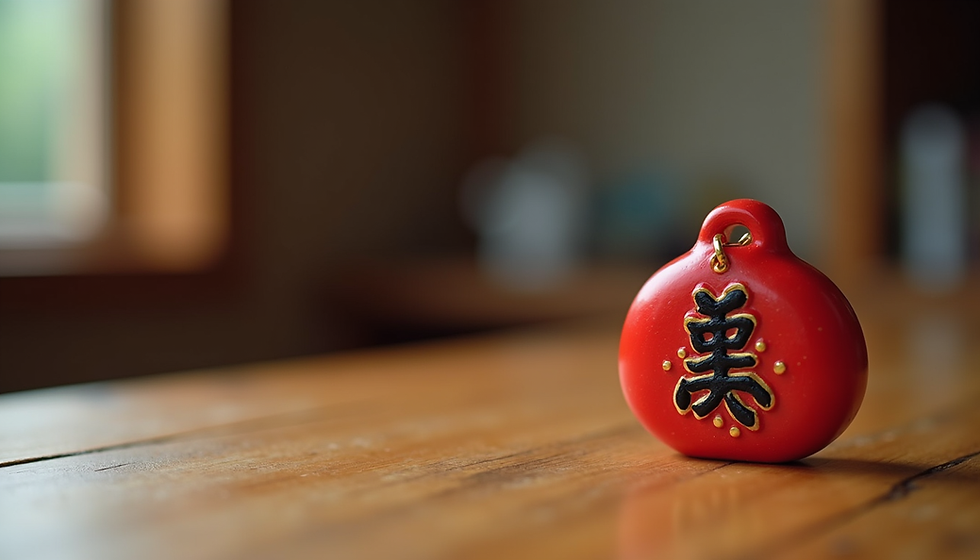
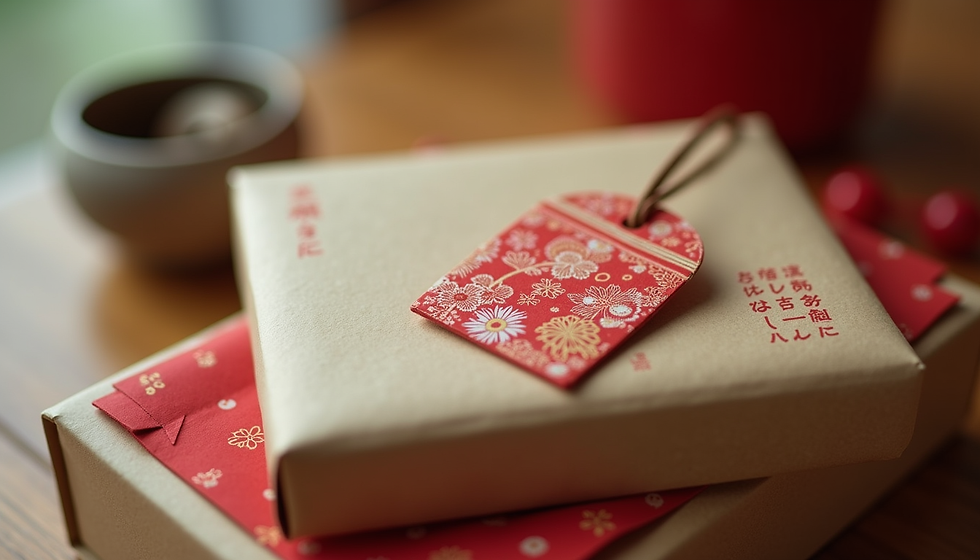
Many shrines also offer special amulets or charms during this time, which can be purchased as keepsakes or gifts.
Embracing the Spirit of Renewal
朔日参り is a meaningful practice that connects people to the natural world and their cultural heritage. It reminds us to pause regularly, appreciate life’s cycles, and seek harmony with our surroundings. Whether you follow Shinto or simply appreciate Japanese culture, this ritual offers a chance to start each month with intention and gratitude.
Consider visiting a shrine on the next new moon and experience firsthand the calm and clarity this tradition brings. It’s a simple yet powerful way to connect with a centuries-old practice that continues to inspire millions.

Comments